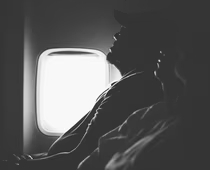

Preparing for Slumber: Setting the Stage for In-Flight Sleep
Choose the Right Seat: Opt for a window seat or a bulkhead seat for extra legroom and a more comfortable sleeping position. Avoid seats near high-traffic areas like bathrooms or galleys, as they may be noisy and disruptive.
- Invest in Comfort: Bring along a travel pillow, blanket, and noise-canceling headphones or earplugs to create a cozy sleep environment. A sleep mask can also help block out light and promote restful sleep.
- Adjust Your Clothing: Dress in comfortable, loose-fitting layers and consider packing warm socks or slippers to keep your feet cozy during the flight. Avoid tight clothing or restrictive items that could hinder circulation.
- Set the Mood: Create a relaxing atmosphere by dimming the overhead lights, listening to soothing music or white noise, and adjusting your seat to a comfortable recline position. Use a personal device or the in-flight entertainment system to distract yourself and unwind before bedtime.
- Stay Hydrated: Drink plenty of water throughout the flight to stay hydrated and avoid the dehydrating effects of cabin air. Limit caffeine and alcohol intake, as they can disrupt sleep patterns and contribute to dehydration.
- Practice Relaxation Techniques: Incorporate deep breathing exercises, mindfulness meditation, or progressive muscle relaxation to help calm your mind and prepare your body for sleep. Focus on relaxing each muscle group from head to toe to release tension and promote relaxation.
- Establish a Bedtime Routine: Follow a pre-sleep routine similar to your bedtime routine at home to signal to your body that it's time to wind down. Brush your teeth, change into comfortable sleepwear, and engage in calming activities to prepare for sleep.
- Use Sleep Aids Wisely: Consider using over-the-counter sleep aids such as melatonin or herbal supplements to help regulate your sleep-wake cycle and promote drowsiness. Consult with a healthcare professional before using any sleep medications, especially if you have underlying health conditions or are taking other medications.
- Choose Your Flight Wisely: Opt for overnight or red-eye flights that align with your natural sleep schedule to maximize your chances of getting quality rest. Avoid booking flights with tight layovers or early morning departures that may disrupt your sleep patterns.
- Practice Patience: Understand that sleeping on a plane can be challenging, especially if you're not accustomed to it. Be patient with yourself and focus on getting as much rest as possible, even if it's in short intervals. Remember that any amount of sleep can help alleviate fatigue and jet lag upon arrival.
Navigating Seat Selection: Tips for Choosing the Perfect Airplane Seat
Choosing an airline seat located before a wall can offer several advantages, including extra legroom, easier access to the aisle, and a quieter environment. Here are some tips to help you select the best seat before a wall on an airplane:
- Look for Exit Rows: Seats located before a wall often include exit row seats, which typically offer additional legroom due to safety regulations. These seats are highly sought after by passengers looking for more space to stretch out during the flight.
- Consider Bulkhead Seats: Bulkhead seats are situated at the front of a cabin section and are often located before a wall or partition. These seats offer ample legroom, as there is no seat in front to restrict movement. Keep in mind that some bulkhead seats may have tray tables stored in the armrests, which can slightly reduce seat width.
- Check Seat Maps: Use seat map tools provided by airlines or third-party websites to view the layout of the aircraft and identify seats located before walls. Look for seats marked with extra legroom indicators or located near emergency exits for optimal comfort.
- Avoid Seats Near Lavatories: While seats before a wall may offer advantages such as extra legroom, they can also be situated near lavatories, which may result in increased foot traffic and noise. Consider selecting seats away from lavatories to minimize disturbances during the flight.
- Assess Aisle Access: Seats before a wall may provide easier access to the aisle, making it more convenient to move about the cabin, stretch your legs, or use the restroom. Choose seats that offer the best balance between proximity to the aisle and desired amenities, such as extra legroom or window views.
- Check Seat Reviews: Read reviews from other passengers or consult online forums to gather insights into specific seats located before walls. Pay attention to feedback regarding legroom, seat width, comfort, and proximity to lavatories or galley areas.
Weighing the Pros and Cons: Bulkhead Seats on Airplanes
Pros of Bulkhead Seats:
- Extra Legroom: Bulkhead seats typically offer more legroom compared to standard seats because there is no seat in front to restrict movement.
- First to Exit: Passengers seated in bulkhead seats are usually among the first to disembark the aircraft upon arrival, as they are located near the front of the cabin.
- Potential for Privacy: Bulkhead seats may offer a sense of privacy due to the absence of passengers directly in front, providing a more secluded seating area.
- No Reclining Intrusion: Since there are no seats directly behind bulkhead seats, passengers don't need to worry about the inconvenience of having their seatbacks reclined into.
Cons of Bulkhead Seats:
- Limited Seat Recline: Bulkhead seats often have limited or no seat recline due to safety regulations or fixed tray tables in the armrests, which can impact comfort during long flights.
- Limited Under-Seat Storage: Bulkhead seats may have limited under-seat storage space, as personal items cannot be stowed in front during takeoff and landing.
- No Extra Seat Width: While bulkhead seats offer extra legroom, they may not necessarily provide additional seat width, potentially causing discomfort for larger passengers.
- Proximity to High-Traffic Areas: Some bulkhead seats are located near lavatories, galley areas, or emergency exits, which may result in increased foot traffic, noise, or disturbances during the flight.
- Extra Charge: Some airlines are becoming aware of these advantages and are now implementing additional charges for bulkhead seats.
Overall, bulkhead seats offer advantages such as extra legroom and the convenience of being among the first to exit the aircraft. However, they also come with limitations such as limited seat recline and potential proximity to high-traffic areas. Consider your priorities and preferences when selecting bulkhead seats to ensure a comfortable and enjoyable flight experience.
Related: Conquering Time Zones: Mastering the Art of Beating Jet Lag.
#TravelSleep
#InFlightTips
#SleepingOnPlanes
#JetLagHacks
#TravelComfort
#AirplaneSleep
#SleepWellTravelOften
#TravelWellness
#FlyRestfully
#SleepAid