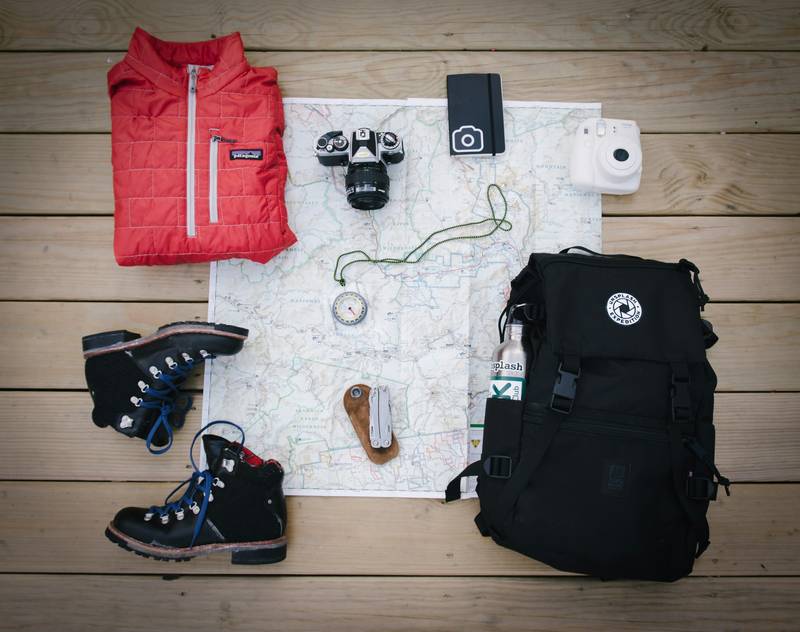

First, a disclaimer: we prefer outdoor adventures and exploring on foot to seek out local and authentic experiences. If your travel style leans more towards cocktail parties and luxury, this guide might not be as useful for you.
With airlines now charging extra for almost everything, including checked and cabin bags, our family has mastered the art of packing light. We manage with either one large suitcase for all four of us or one cabin bag each for a month-long trip. Here are some tips we've learned along the way, traveling with our two boys, we hope you'll find them useful.
Why Travel Light?
Traveling light offers numerous benefits. It allows you to move freely, avoid hefty baggage fees, and reduce the hassle of lugging around heavy suitcases. With a well-thought-out packing strategy, you can be prepared for any climate while keeping your luggage minimal. Here are a few tips to help you.
1. Be Prepared: Do Your Research
First, you need to research your destination:
- Look at the average temperatures and weather patterns (rainy season, dry and hot season, busy tourist season, etc.) to find the optimal time you want to visit your destination.
- Research any recommended or mandatory vaccines and ensure you have ample time to receive them before your trip.
- Review the travel and visa requirements for your destination.
- Ensure your passport is valid for at least six months beyond your travel dates.
- Check the currency exchange rates to gauge the cost of your destination.
- Learn a few basic phrases in the local language. Even if you can't become fluent, just learning how to say "hello" and "thank you" in the local language will go a long way, and rest assured that your effort will be appreciated by the locals!
- Research destination-specific items that might be necessary for specific destinations, such as plug adapters, etc.
- Determine if you'll need cash at your destination or if they widely accept credit cards. Mobile payment apps like Apple Pay, Google Wallet, or PayPal can be handy for transactions, especially in countries where digital payments are widely accepted. Make sure your credit card doesn't charge a foreign transaction fee, and make sure that they will. to decline suspicious transactions made in a foreign country. Determine if you need to exchange currency or simply do a withdrawal in an ATM/Cashpoint at your destination.
- Determine the best options for local transportation at your destination.
- Consider if it might be worth purchasing travel insurance, to be ready for the unexpected.
2. The Art of Traveling Light: Essential Items for Every Climate
What to pack: Versatility and Layering
Opt for versatile clothing rather than packing specialized items like a waterproof winter jacket. Choose pieces that can be mixed and matched according to the weather conditions. For instance, cold rain calls for a warm and waterproof layer, while warm rain requires a thin waterproof option. Instead of a bulky winter jacket, opt for separating your warm layers from your windproof/waterproof ones, allowing you to use them individually as needed. Layering your clothing is key to staying comfortable in varying climates, offers greater versatility, and reduces the number of items you need to pack.
Mastering the Art of Layering: Stay Comfortable in Any Climate
Start with a moisture-wicking base layer to keep sweat away from your skin, add an insulating mid-layer for warmth, and finish with a weather-resistant outer layer to protect against wind and rain. This approach allows you to adjust your outfit to changing weather conditions effortlessly, ensuring you’re always prepared, whether you're exploring a chilly mountain town or a breezy coastal city.
Weight and bulkiness matter, so opt for lightweight materials that dry quickly. Avoid light colors to minimize the visibility of stains from spills, such as a cup of coffee on your lap during the flight. Wool sweaters and blue jeans might not be the best choice; instead, consider fleece and hiking pants for their practicality and comfort.
Packing Tips for Different Climates:
- Warm Climates: Pack lightweight, breathable clothing and plenty of sunscreen. A wide-brimmed hat and sunglasses are also essential.
- Cold Climates: Focus on layering. Start with thermal base layers, add insulating mid-layers, and finish with a weather-resistant outer layer. Don’t forget lightweight moisture-wicking thermal socks, gloves, and hats. Don't underestimate the amount of heat your body can lose without a hat, this will make you feel miserable.
- Rainy Climates: A compact, foldable umbrella and a waterproof jacket are must-haves. Quick-dry clothing and waterproof shoes will keep you comfortable.
These are some of our favorite items, tested and proven during our many recent trips. We hope you find them useful too!
- MARMOT Men's Arch Rock Pant or the Marmot Arch Rock Convertible Pants
- Marmot ROM Softshell Jacket - Men's
- Eddie Bauer Men's CirrusLite Hooded Down Jacket
- Eddie Bauer Women's CirrusLite Down Parka
- Disposable Clear Rain Ponchos for Adults with Hood
- Hanes Essentials Sweatpants,
- Adjustable Nylon Canvas Fabric Golf Belt,No Metal Buckle, Fast Pass Through the Airport Security
How much to pack: Consider Laundry Options at Your Destination
The number of items you pack should take into account the laundry facilities available at your destination. If you have easy access to laundry services or facilities, you can afford to pack fewer items and plan to do laundry during your trip. This allows you to travel with a smaller suitcase and avoid the hassle of carrying unnecessary clothing. However, if laundry options are limited or expensive, you may need to pack enough clothing to last the duration of your trip without needing to wash it. Researching the laundry options available at your destination beforehand can help you plan accordingly and pack more efficiently.
3. Essential Footwear Choices
If you walk as much as we do when exploring a new place, choosing the right footwear is crucial. Test your shoes before your trip; nothing is worse than a blister ruining your adventure.
- Choose Comfortable Walking Shoes: Invest in a pair of durable, comfortable walking shoes suitable for various terrains. Shoes with good arch support and cushioning are ideal.
- Wear Weather-Appropriate Footwear: Depending on your destination, consider packing sandals for warm climates and waterproof boots for cold or wet conditions.
- If you like to stay comfortable at your hotel or base camp, pack a pair of inexpensive flip-flops for indoor use.
- Our personal favorite shoes are the Dansko Penni Walking Sneakers for Women - Comfortable, Breathable Walking Shoes with Arch Support - Stain Resistant Sneakers with Lightewight Rubber Outsole and the ALTRA Men's Lone Peak 8 Sneaker.
4. Basic Medicine and Health Essentials:
- First Aid Kit: A small first aid kit with bandages, antiseptic wipes, and basic medications (pain relievers, antihistamines, etc.) is essential.
- Prescription Medications: Carry enough of your prescription medications, plus a little extra in case of delays. Some countries may require you to show a prescription.
- Compression Socks: Sitting for an extended period of time is not good for anyone, so check with your medical provider if using compression socks is a good option for you. I like the FITRELL 3 Pairs Compression Socks for Women and Men 20-30mmHg-Circulation Support Socks.
5. Toiletries and Personal Care
- Don't forget your sunglasses.
- Depending on your destination, soap and shampoo may be provided, so you might not need to pack them.
- A toothbrush, toothpaste, razor, deodorant, sunscreen, and skincare cream may be all you need.
- If you only pack a carry-on bag, make sure to check the travel requirements at your departure airport, liquids and gels above a certain quantity may be disallowed.
- If possible, pack travel-size toiletries.
- Place everything in a compact and waterproof toiletry bag, just in case anything leaks (or a clear plastic bag if required by airport security).
- Be mindful that some places in Europe may not provide bedsheets and towels, check to make sure. Or if you have a mild case of OCD like me and prefer to use your own bath and face towels, check the BOGI Microfiber Quick Dry Sports Towel, they are pretty good.
6. Tech and Gadgets
- You'll probably take your phone, and maybe a good camera, so make sure you take all of the charging adapters and cables you need.
- Make sure that you have enough charging adapters for the entire family, and that all of them can support the voltage in the destination country (220V or 110V). Instead of each of us carrying our own adapter and having to hunt for scarce power outlets in hotels, we have opted for the Anker 65W 4 Port PIQ 3.0 & GaN Fast Charger Adapter, PowerPort Atom III Slim Wall Charger - 45W USB C, a solid choice.
- Make sure that you also have the required plug adapters for the destination country.
- If you pack your cell phone, check with your provider for possible roaming and international charges. For a cost-effective solution to get data in foreign countries, see Embracing eSIMs: A Traveler's Revelation.
- Since having your phone can be critical, especially if you use digital boarding passes and transportation tickets, make sure that you have emergency power, we use the Anker Magnetic Power Bank 10,000mAh, Wireless Portable Charger, 20W Fast Charging Battery Pack with USB-C, Magsafe-Compatible with Magsafe.
- If you are concerned about your bags being lost or stolen, you might want to consider using the Apple AirTag. However, keep in mind that they may not be very effective in remote areas since they rely on nearby iPhones to track your bag.
7. Packing Strategies
Choosing the Right Luggage
- Once you've decided what to take, you'll need to choose your luggage options: a combination of a carry-on bag, personal item, and checked bag. Each has its drawbacks: with a carry-on, you'll need to board early to secure overhead bin space, while with checked bags, you'll have to wait for them at baggage claim. Check the weight and size requirements of each airline, they vary greatly.
- As we mentioned earlier, lately we've opted for one personal item and one carry-on bag each, and the OMOUBOI Backpack for Small Work Latop Fits 14 and the Travelers Club Chicago Hardside Expandable Spinner Luggages, Charcoal, 20" Carry-On have been great choices for us.
Packing Techniques: Optimize Your Space
Efficient packing techniques can make a significant difference in maximizing your luggage space and keeping your belongings organized. Here are some tried-and-true methods to help you pack smartly for any trip:
- Rolling Clothes: Rolling your clothes instead of folding them can save a considerable amount of space in your suitcase. This method not only helps to fit more items but also minimizes wrinkles. Roll each item tightly and arrange them in your bag to create a compact and organized layout. This technique works especially well for t-shirts, jeans, and other casual wear.
- Using Packing Cubes: Packing cubes are a game-changer for travelers looking to stay organized. These small, flexible containers help compartmentalize your items, making it easy to find what you need without digging through your entire suitcase. They also compress your clothes, allowing you to fit more into your luggage. You can designate different cubes for specific categories like shirts, pants, undergarments, and accessories.
- Bundle Wrapping Method: The bundle wrapping method involves wrapping clothes around a central core item, such as a small pouch of socks or underwear. Start with the most wrinkle-resistant items on the outside and layer more delicate pieces towards the center. This creates a compact bundle that reduces creases and makes the most of your available space. This method is particularly effective for business attire and dress clothes that you want to keep wrinkle-free.
- Utilizing Empty Spaces: Don’t overlook the empty spaces in your luggage, such as the inside of shoes, corners, and gaps between larger items. Stuff socks, underwear, or small accessories into these spaces to maximize every inch of your suitcase.
- Layering: Create layers with your clothing to make packing and unpacking easier. Place heavier items like shoes and toiletries at the bottom, followed by rolled clothes, and then more delicate items on top. This layering method keeps your bag balanced and helps protect fragile items.
- Vacuum-Sealed Bags: For longer trips or when packing bulky items like jackets or sweaters, consider using vacuum-sealed bags. These bags allow you to compress your clothing by removing the air, significantly reducing the space they occupy. Just be mindful of the weight, as compressed items can make your luggage heavier.
By implementing these packing techniques, you can optimize your luggage space, keep your belongings organized, and ensure a stress-free packing experience. Whether you’re preparing for a weekend getaway or a month-long adventure, these strategies will help you pack efficiently and effectively.
8. Before you Leave
Travel Documents and Money
- Find a convenient yet secure place for organizing and storing travel documents like passports, tickets, and itineraries. Be mindful that some airlines strictly enforce the "one personal item" rule and may require you to consolidate items, including purses, small pouches, and fanny packs.
- Always store your money and travel documents in secure locations. Use a money belt or a hidden pouch to keep your cash, cards, and important documents safe from pickpockets. Keep a photocopy of your passport and credit card information in a separate location as a backup.
- It’s wise to carry some local currency for small purchases, tips, and places that don’t accept cards. You can exchange money at your destination, but be sure to use reputable exchange services or withdraw cash from ATMs to get better rates.
- Multi-currency travel wallets are a practical solution for carrying different currencies. These wallets come with multiple compartments, allowing you to organize and separate various currencies easily. They often include RFID-blocking technology to protect against electronic theft and are designed to be slim and secure, making them an excellent choice for international travelers.
Health and Safety
- Pack some basic band-aids and headache medication for use on the plane or at the airport, just in case.
- Bring a few days' supply of any essential medication with you in your carry-on, in case your checked bag is delayed or decides to go on its own trip without you.
- Wear comfortable clothes for the trip, including a warm layer for potential cold on the plane if blankets aren't available.
- Consider bringing eye covers and noise-canceling devices to block out crying babies or chatty neighbors.
Final checks
- Make sure you have your travel documents with you.
- Install any eSIM card while you have reliable internet, they cannot be installed offline.
- Download Google Maps for your destination for offline use, to save on data.
- Download Google Translate languages for offline use, for the same reason.
- Brush up on cultural norms at your destination.
- Be adaptable and keep an open mind, delays and cancelations do happen and there is nothing you can do.
- Don't sweat the small stuff. Unless you're traveling to a super remote place, they'll have stores at your destination, and if you forgot anything, they'll have clothes and toothpaste. They may even have better products than you can find at home. Sure, wasting time looking for a hat because you're freezing may not be the highlight of your trip, it's not a major issue either and could even become a memorable souvenir.
Traveling light is an art that can transform your travel experience, making it more enjoyable and less stressful. Whether you’re heading to a tropical paradise, a chilly mountain retreat, or a bustling city, packing smartly is key.
Traveling light doesn’t mean sacrificing comfort or preparedness. By carefully selecting versatile, multi-functional items and focusing on layering, you can pack efficiently for any climate. Embrace the art of traveling light and enjoy a more streamlined, enjoyable travel experience.
#TravelLight #PackingTips #TravelEssentials #LayeringForClimate #ComfortableTravel #MinimalistTravel #TravelSmart #TravelHacks #EfficientPacking #TravelGear #TravelLight #PackingTips #MinimalistTravel #TravelEssentials #EcoFriendlyTravel #CapsuleWardrobe #TravelSmart #TravelHacks #SustainableTravel #TravelGear #LightPacking #EfficientPacking #TravelTech #HealthyTravel #SafeTravel