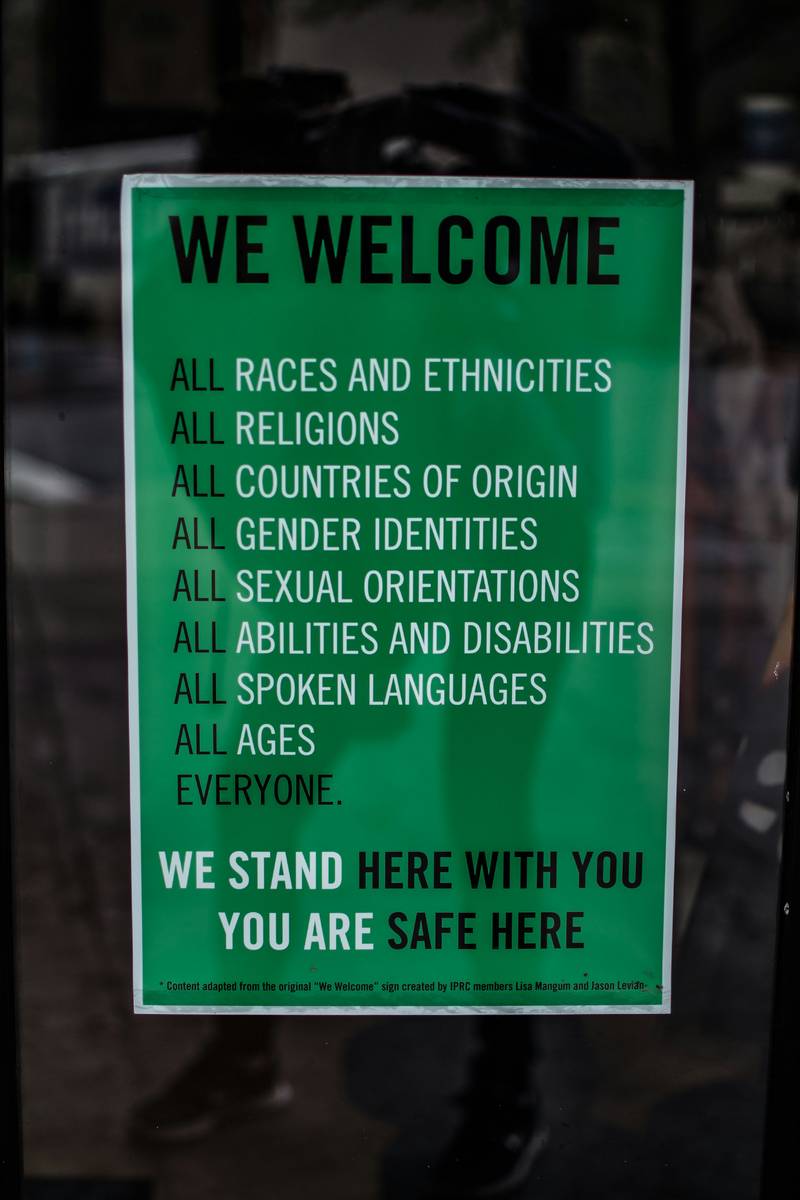

What is Diversity?
Diversity refers to the presence of a variety of different elements or characteristics within a group, community, or society. These elements can include but are not limited to:
- Demographic Diversity: Differences in race, ethnicity, nationality, gender, sexual orientation, age, socioeconomic status, religion, and physical abilities.
- Cultural Diversity: Variations in cultural backgrounds, traditions, languages, beliefs, customs, and values.
- Cognitive Diversity: Differences in perspectives, experiences, skills, knowledge, and ways of thinking or problem-solving.
- Organizational Diversity: Variability in organizational structures, functions, roles, and leadership styles.
- Biodiversity: Diversity of species and ecosystems within the natural world, encompassing genetic variation, species richness, and ecosystem complexity.
Diversity is not limited to any single dimension but encompasses a broad range of characteristics and attributes that contribute to the richness and complexity of human society and the natural world. Embracing diversity involves recognizing, valuing, and respecting the unique qualities and contributions of individuals and groups, regardless of their differences. By fostering inclusive environments that celebrate diversity, we promote equity, opportunity, and social justice for all.
Where is diversity important?
Diversity in the Workplace
In today's globalized economy, diversity isn't just a buzzword—it's a business imperative. Diverse teams bring together individuals with unique skills, experiences, and perspectives, driving innovation, creativity, and problem-solving. Companies that prioritize diversity and inclusion not only attract top talent but also outperform their competitors in terms of profitability and employee engagement. By embracing diversity in the workplace, organizations foster a culture of respect, collaboration, and mutual understanding, laying the foundation for sustainable growth and success.
Diversity in Education
In the realm of education, diversity is a catalyst for intellectual growth and personal development. Exposing students to diverse perspectives, cultures, and worldviews broadens their horizons, challenges their assumptions, and cultivates empathy and tolerance. Schools and universities that prioritize diversity and inclusion create learning environments where all students feel valued, respected, and empowered to succeed. By embracing diversity in education, institutions prepare students to thrive in a multicultural world and become informed, empathetic global citizens.
Diversity in Communities
Communities enriched by diversity are vibrant, resilient, and inclusive spaces where individuals from all walks of life come together to celebrate their differences and build meaningful connections. Embracing diversity in communities fosters social cohesion, reduces prejudice and discrimination, and promotes a sense of belonging and solidarity among residents. By embracing diversity at the local level, communities unlock the full potential of their collective talents and resources, driving social and economic progress for all.
Diversity in Society
At its core, diversity is a fundamental value that lies at the heart of a just and equitable society. Embracing diversity promotes social justice, human rights, and equality for all individuals, regardless of their race, ethnicity, gender, sexual orientation, or socioeconomic status. By recognizing and valuing the inherent dignity and worth of every person, societies create a more inclusive and welcoming environment where everyone can thrive and contribute to the common good.
In every context—whether in the workplace, education, communities, or society at large—embracing diversity enriches our lives, strengthens our bonds, and unlocks our collective potential. By celebrating our differences and embracing the richness of human experience, we create a more inclusive, equitable, and compassionate world for generations to come. Let us commit to fostering diversity, equity, and inclusion in all aspects of our lives, knowing that together, we can build a brighter and more prosperous future for all.
Concrete Example: Innovation in Technology
In the realm of technology, diversity plays a crucial role in driving innovation and shaping the future of industries. Consider the case of a multinational tech company with a diverse workforce representing various cultural backgrounds, genders, and skill sets. By bringing together individuals with unique perspectives and experiences, this company fosters a culture of creativity, collaboration, and problem-solving.
In product development, diverse teams approach challenges from multiple angles, drawing upon their diverse backgrounds and insights to generate innovative solutions. Research has shown that companies with diverse teams are more likely to develop products and services that resonate with a broader range of consumers, leading to increased market share and revenue growth.
Moreover, diversity fosters resilience in the face of technological challenges and disruptions. Teams comprised of individuals with diverse skill sets and expertise are better equipped to navigate complex problems and adapt to rapidly changing market dynamics. By embracing diversity, tech companies can stay ahead of the curve, anticipate emerging trends, and capitalize on new opportunities in the ever-evolving digital landscape.
In addition to driving innovation, diversity in technology promotes social impact and equity. By prioritizing diversity and inclusion in hiring practices and workplace policies, tech companies create opportunities for underrepresented groups to participate in the industry and contribute their talents to meaningful projects. This not only fosters a more inclusive and equitable tech ecosystem but also addresses systemic barriers to entry and advancement for marginalized communities.
Ultimately, the example of diversity in technology illustrates how embracing diverse perspectives leads to greater creativity, resilience, and social impact. By fostering an inclusive culture that values and celebrates differences, tech companies can unlock the full potential of their workforce and drive positive change in the world.

Exploring Diversity
Embracing our differences when traveling enriches our experiences in numerous ways:
- Cultural Enrichment: Each destination offers a unique tapestry of culture, traditions, and customs. Embracing differences allows us to immerse ourselves in new ways of life, broaden our perspectives, and gain a deeper understanding of the world's diversity.
- Authentic Encounters: Interacting with locals and fellow travelers from diverse backgrounds fosters genuine connections and meaningful exchanges. By embracing differences, we create opportunities for authentic cultural exchanges, friendship, and mutual respect.
- Personal Growth: Stepping outside our comfort zones and engaging with unfamiliar cultures challenges our assumptions, broadens our horizons, and promotes personal growth. Embracing differences encourages us to be open-minded, adaptable, and empathetic, qualities that enhance our resilience and enrich our lives.
- Expanded Awareness: Traveling allows us to confront stereotypes and biases, fostering greater awareness and appreciation for the complexities of human experience. Embracing differences encourages us to question assumptions, challenge stereotypes, and cultivate empathy toward others.
- Global Citizenship: Embracing differences promotes the values of tolerance, acceptance, and inclusivity, contributing to the creation of a more peaceful and harmonious world. By recognizing the inherent worth and dignity of every individual, we embody the principles of global citizenship and promote a more equitable and just society.
In essence, embracing our differences when traveling enhances our experiences, fosters connections, and promotes mutual understanding and respect. By celebrating the richness of human diversity, we unlock the true potential of travel to transform lives and build bridges across cultures.