

Culture is the vibrant tapestry woven by humanity, comprising beliefs, customs, traditions, arts, and social institutions that shape our identities and interactions. It is the lens through which we perceive the world, influencing our values, behaviors, and perspectives. From the foods we savor to the languages we speak, culture permeates every facet of our lives, molding our collective consciousness and individual experiences.
Defining Culture:
At its core, culture encompasses the shared patterns of thinking, feeling, and behaving that characterize a particular group of people. It encompasses both tangible elements, such as art, music, and literature, and intangible aspects like values, norms, and rituals. Culture is not static but dynamic, evolving over time in response to internal and external forces, including globalization, migration, and technological advancements.
Impact on Humans:
The impact of culture on human lives is profound and multifaceted. It shapes our sense of belonging and identity, providing us with a framework for understanding ourselves and our place in society. Culture also influences our perceptions of beauty, morality, and social hierarchy, shaping our preferences and judgments.
Moreover, culture serves as a medium for communication and expression, allowing individuals to convey meaning, emotions, and ideas through various artistic forms. Through storytelling, dance, music, and visual arts, cultures preserve their histories, transmit knowledge, and foster social cohesion.
However, culture is not always a unifying force; it can also be a source of conflict and division. Differences in cultural beliefs and practices can lead to misunderstandings, prejudice, and discrimination, highlighting the importance of cultural sensitivity and intercultural dialogue in fostering mutual respect and understanding.
Major Examples of Culture:
Across the globe, countless cultures flourish, each with its unique customs, traditions, and heritage. From the vibrant festivals of India to the solemn rituals of Japan, from the rich culinary traditions of Italy to the intricate artistry of Indigenous peoples, diversity is the hallmark of human culture.
Examples of culture abound in every aspect of human existence, from the way we dress and greet one another to the values we uphold and the stories we tell. Whether it's the celebration of Lunar New Year in China, the reverence for ancestors in Mexico's Day of the Dead, or the communal spirit of African drum circles, culture manifests in myriad forms, enriching our lives with its beauty and complexity.
Influences on Culture:
Culture is not created in a vacuum but is shaped by a multitude of factors, including historical events, geographical location, socioeconomic conditions, and interactions with other cultures. Colonialism, globalization, and technological advances have profoundly influenced the evolution of cultures, leading to the exchange of ideas, practices, and cultural hybridization.
Moreover, mass media, including television, film, and the internet, play a pivotal role in disseminating cultural values and shaping popular culture on a global scale. While these influences can foster cultural exchange and understanding, they also pose challenges to the preservation of traditional cultural practices and languages in the face of homogenizing forces.
Culture is the essence of human existence, reflecting our shared humanity while celebrating our diversity. It shapes our identities, influences our behaviors, and connects us to one another across time and space. By embracing cultural diversity and fostering intercultural dialogue, we can build bridges of understanding and appreciation, enriching our collective experience and fostering a more inclusive and harmonious world.
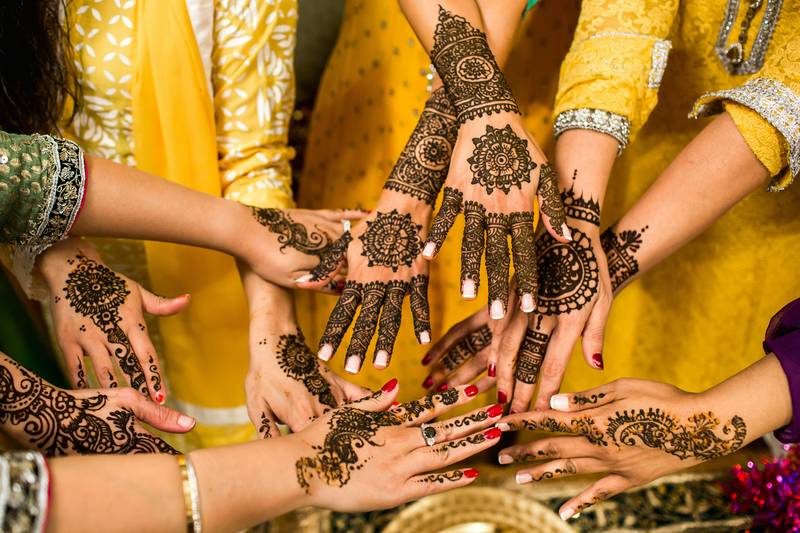
Nature versus nurture is a perennial debate in the realms of psychology, sociology, and anthropology, exploring the relative influences of genetic inheritance (nature) and environmental factors (nurture) on human development and behavior. However, when we speak about "culture versus nurture," we're often referring to the interplay between innate biological traits and the cultural environment in shaping individual and collective identities.
Culture: Culture encompasses the shared beliefs, customs, traditions, and practices of a particular group of people. It provides a framework for understanding the world, shaping our values, behaviors, and social interactions. From language acquisition to social norms, culture permeates every aspect of human life, influencing how we perceive ourselves and others.
Nurture: Nurture refers to the environmental influences, such as upbringing, education, and socialization, that shape an individual's development. These factors include familial, societal, and educational experiences that mold our personalities, attitudes, and behaviors over time.
Culture Versus Nurture: The dichotomy between culture and nurture is often blurred, as culture itself is a product of nurture—cultural practices and beliefs are transmitted through socialization processes within families, communities, and institutions. However, while nurture encompasses a broad range of environmental influences, culture holds a unique place in shaping identity and behavior.
Implications: Understanding the interplay between culture and nurture is crucial for comprehending human diversity and promoting social cohesion. Recognizing the role of culture in shaping individual and collective identities can foster empathy, tolerance, and appreciation for cultural differences. Moreover, acknowledging the impact of nurture on human development underscores the importance of creating nurturing environments that support positive growth and well-being.
In essence, while nature provides the biological foundation for human existence, culture and nurture play integral roles in shaping who we are as individuals and as members of society. By embracing the complexity of these influences, we can better understand the richness of human diversity and work towards building inclusive communities where all individuals can thrive.
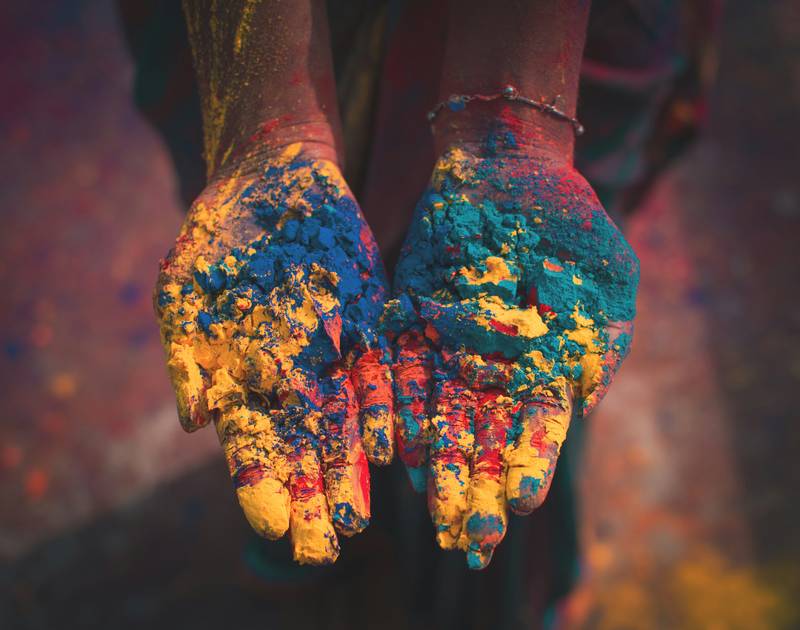
Exploring and experiencing different cultures offers a multitude of benefits that enrich our lives in profound ways. Here are some of the key advantages:
- Broadened Perspectives: Exposure to different cultures exposes us to diverse worldviews, beliefs, and values, broadening our perspectives and challenging our preconceptions. By understanding alternative ways of thinking and living, we become more open-minded, empathetic, and tolerant individuals.
- Cultural Appreciation: Engaging with different cultures allows us to appreciate the richness and diversity of human heritage. Whether it's savoring exotic cuisines, admiring traditional arts and crafts, or participating in cultural festivals, we develop a deeper appreciation for the beauty and complexity of cultural expressions.
- Personal Growth: Exploring different cultures can be a transformative experience that fosters personal growth and self-discovery. It encourages us to step out of our comfort zones, confront our biases, and embrace new challenges. Through cultural immersion, we develop resilience, adaptability, and a greater sense of self-awareness.
- Enhanced Communication Skills: Interacting with people from diverse cultural backgrounds enhances our communication skills and cultural competency. We learn to navigate cross-cultural differences, communicate effectively across language barriers, and build meaningful connections based on mutual respect and understanding.
- Global Awareness: In an increasingly interconnected world, cultural literacy is essential for global citizenship. Exposure to different cultures fosters global awareness and intercultural competence, equipping us with the knowledge and skills to navigate the complexities of an interconnected world and address global challenges collaboratively.
- Creativity and Innovation: Cultural diversity stimulates creativity and innovation by exposing us to new ideas, perspectives, and ways of problem-solving. By integrating diverse cultural influences, we can develop novel solutions to complex problems and drive innovation in various fields.
- Social Cohesion: Embracing cultural diversity promotes social cohesion and harmony within communities and societies. By celebrating our differences and recognizing our shared humanity, we can build inclusive societies where all individuals feel valued, respected, and empowered to contribute to the common good.
In conclusion, exploring and experiencing different cultures enriches our lives in myriad ways, fostering personal growth, cultural appreciation, and global awareness. By embracing cultural diversity and promoting intercultural dialogue, we can build a more inclusive, equitable, and interconnected world where people of all backgrounds can thrive.