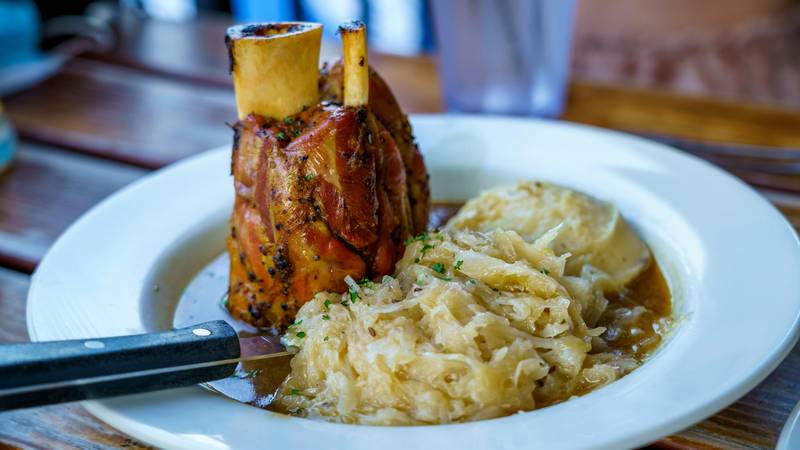


From Bone Broth to Boneless: How the West Lost Its Peasant Food Wisdom
The Original Western Model: Extraction, Not Trimming
The Peasant Table: Whole Animal, Slow Fire
Before industrialization, meat was expensive, and animals were precious. When a pig or cow was slaughtered, everything was used.
In rural France, families simmered pot-au-feu for hours, extracting marrow and gelatin from bones. In England, oxtail and shank were not luxury curiosities but practical staples. Italian contadini prepared bollito misto—multiple inexpensive cuts boiled slowly and served with broth. Spanish households relied on cocido, a communal stew that stretched meat with legumes and vegetables.
These dishes shared common principles:
- Bone-in cuts
- Skin and fat are retained
- Long simmering over hearth fires
- Broth reused for multiple meals
- Minimal waste
They were economical, nourishing, and deeply flavorful.
What Changed? How the Knowledge Was Lost
1. Industrialization of Meat
As meat production scaled in the 19th and 20th centuries, butchery became centralized. Cuts were standardized for efficiency and retail display.
Uniform, boneless portions:
- Reduced labor for home cooks
- Simplified packaging
- Cooked faster
- Appeared “cleaner” and more modern
Supermarkets favored tidy chicken breasts over bony stewing hens. Visual appeal began to outweigh the extraction of flavor.
2. Time Became Scarce
Peasant stews required hours near a fire. Industrial society reshaped daily life:
- Long factory shifts
- Urban commuting
- Smaller kitchens
- Gas and electric stoves replacing hearths
Quick-cooking cuts fit modern schedules better than simmering bones all afternoon.
3. Fat Phobia and 20th-Century Diet Culture
Mid-20th-century dietary guidelines increasingly warned against saturated fat. Skin, marrow, and fatty cuts were recast as unhealthy. Lean meat became virtuous.
This shift was particularly strong in the United States, but it influenced much of Western Europe as well. Skinless chicken breast became the symbol of “clean eating.”
Traditional broths and gelatin-rich stews were quietly pushed aside.
4. Status and Social Mobility
For peasants, tough cuts and offal were a necessity. As prosperity increased, people gravitated toward what had once been rare:
- Tenderloin over shank
- White meat over dark
- Fillets over bone-in portions
Eating lean, tender cuts signaled upward mobility. Foods associated with poverty lost prestige.
Ironically, many dishes once considered “poor” later reemerged as gourmet in restaurants.
5. Loss of Kitchen Transmission
Peasant food knowledge was transmitted orally—through repetition, not written recipes.
As:
- Families shrank
- Women entered formal workforce roles
- Convenience foods expanded
- Processed broths replaced homemade stock
The everyday ritual of keeping a stockpot quietly disappeared.
The Nutritional and Culinary Cost
When bone-based cooking declined, so did:
- Routine collagen intake
- Mineral-rich broths
- Slow-cooked gelatin textures
- Deep extraction of flavor
Lean cuts provide high-quality protein, but they lack the mouthfeel and micronutrient density of long-simmered preparations. Modern cuisine often compensates with added butter, cream, or flavor enhancers to recreate richness once naturally extracted from bones and connective tissue.

The Hidden Nutritional Trade-Off
When bone-based cooking faded, something subtle disappeared:
1. Gelatin Intake
Slow cooking converts collagen into gelatin, creating the silky texture associated with traditional broths. Lean cuts lack this natural thickening.
2. Mineral Extraction
Simmered bones release small amounts of minerals and trace nutrients into broth.
3. Natural Satiety
Fat and gelatin slow digestion and enhance fullness.
4. Flavor Without Additives
Deep savory complexity once came from marrow and connective tissue. Modern cooking often replicates this depth with butter, cream, or flavor enhancers.
Lean meat offers excellent protein. But it offers a narrower sensory and nutritional spectrum.
The Knowledge Gap: Technique Without Transmission
Peasant cooking skills were rarely written down. They were absorbed by watching:
- When a broth was “done” by smell
- How to skim foam
- How long should the shank simmer
- How to reuse stock
As processed foods expanded and bouillon cubes replaced stockpots, this embodied knowledge declined.
You can buy stock today — but knowing how to coax silkiness from cartilage requires practice.
What was lost was not recipes, but rhythm.
What Was Really Lost?
Not just ingredients.
The Western shift toward lean meats represented:
- A move from transformation to selection
- From patience to speed
- From scarcity-driven creativity to abundance-driven refinement
Peasant cuisine was not romantic. It was practical. But within that practicality was profound biochemical wisdom: heat plus time equals tenderness.
Not Completely Lost — Just Rediscovered
Interestingly, some of these traditions never fully vanished. French country cuisine still celebrates cassoulet from Toulouse. British chefs revived nose-to-tail cooking in the late 20th century. Bone broth has resurfaced as a health trend rather than a daily necessity.
What changed was not capability—but context. When survival required efficiency, peasants mastered transformation. When abundance arrived, refinement replaced extraction.
The Revival: Sustainability and Rediscovery
In recent decades, interest in whole-animal cooking has resurfaced.
Farm-to-table movements, concerns about food waste, and renewed interest in fermentation and traditional foodways have brought bones back into conversation. French cassoulet from Toulouse remains emblematic of slow, communal cooking. British “nose-to-tail” philosophy reframed offal and connective tissue as ethical choices rather than poverty food.
Bone broth trends, slow cookers, and pressure cookers have made long cooking more compatible with modern life.
The cycle appears to be turning.
A More Complete Model of Eating
Lean, boneless meats are not inherently inferior. They provide:
- Efficient protein
- Controlled fat intake
- Predictable results
- Convenience
But slow-cooked, bone-in traditions offer:
- Textural diversity
- Deep flavor extraction
- Enhanced satiety
- Sustainable whole-animal use
- Culinary continuity with the past
The most balanced modern kitchen may borrow from both — grilling when time is short, simmering when time allows.
Rediscover the simple pleasures of peasant cooking with recipes such as Osso Buco with Saffron Risotto or Hearty Duck Confit Cassoulet.