
The Origins of Hara Hachi Bu
Hara Hachi Bu (腹八分目) is a traditional Japanese concept that encourages people to stop eating when they feel about 80% full, rather than continuing until they feel completely satiated. The phrase itself roughly translates to "eat until you are eight-tenths full." This practice is especially prominent in Okinawa, a region known for its high number of centenarians—people who live to be 100 years or older.
The Okinawan diet, combined with Hara Hachi Bu, plays a significant role in the remarkable health and longevity of its people. Rooted in Confucian teachings, this mindful approach to eating has been passed down through generations, forming the foundation of a balanced, healthy lifestyle.
The Benefits of Eating Until You’re 80% Full
- Weight Management
By eating until you are 80% full, you naturally consume fewer calories, helping to prevent overeating. This mindful practice encourages portion control without the need for restrictive diets, allowing the body to maintain a healthy weight over time. - Improved Digestion
Overeating can strain the digestive system, leading to discomfort, bloating, and sluggishness. Hara Hachi Bu promotes smoother digestion by giving your body the right amount of food to process without being overwhelmed. - Reduced Risk of Chronic Diseases
Research suggests that calorie reduction, as practiced through Hara Hachi Bu, can lower the risk of chronic conditions like heart disease, diabetes, and certain types of cancer. It may also help reduce inflammation in the body, promoting overall health. - Longevity
The people of Okinawa are famous for their longevity, and many credit Hara Hachi Bu as a key factor. Eating less puts less stress on the body’s organs and systems, potentially slowing the aging process and increasing life expectancy. - Mindful Eating
Hara Hachi Bu encourages mindfulness when it comes to eating. By listening to your body and stopping before you’re completely full, you cultivate a greater awareness of your hunger and satiety signals. This fosters a healthier relationship with food and helps prevent emotional or mindless eating.
How to Practice Hara Hachi Bu in Your Daily Life
- Eat Slowly
One of the easiest ways to apply Hara Hachi Bu is to slow down your eating. Take time to chew each bite thoroughly and savor your meal. It takes about 20 minutes for your brain to register that you’re full, so by eating slowly, you give your body a chance to signal when you’ve had enough. - Listen to Your Body
Pay close attention to how your body feels as you eat. Are you feeling satisfied but not stuffed? That’s the 80% full mark. Learning to recognize this feeling may take practice, but over time, you’ll become more attuned to your body’s needs. - Portion Control
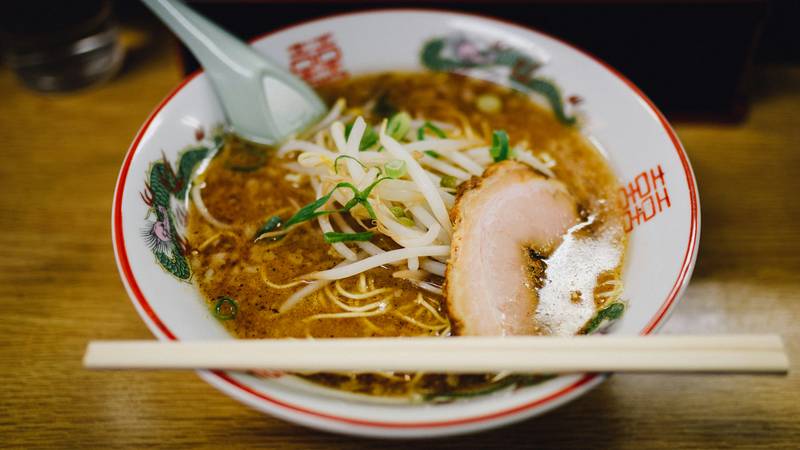
Use smaller plates or bowls to help control portion sizes. This visual trick can prevent you from overloading your plate and encourages mindful eating. It’s easier to stop at 80% full when you’ve already prepared a moderate amount of food. - Practice Gratitude
Incorporate gratitude into your meals, just as many Okinawans do. Taking a moment to appreciate the food you’re about to eat can slow down your pace and foster mindfulness, making it easier to stop at 80% full. - Eat Balanced, Nutrient-Dense Foods
The Okinawan diet is rich in vegetables, whole grains, and lean proteins, with limited consumption of sugar, red meat, and processed foods. By focusing on nutrient-dense, whole foods, you can ensure you’re getting all the necessary nutrients even while eating less. - Avoid Distractions
Eating in front of the TV or while on your phone can lead to mindless overeating. Create an environment that allows you to focus solely on your meal, so you can better recognize when you’re 80% full.
Hara Hachi Bu is more than just a practice; it's a lifestyle rooted in mindfulness and balance. By stopping at 80% full, you not only promote better physical health but also nurture a more conscious relationship with food. Whether you're seeking to manage your weight, improve digestion, or simply enjoy a longer, healthier life, adopting this ancient Japanese practice can be a powerful step toward achieving those goals.
Start incorporating Hara Hachi Bu into your daily routine, and experience the profound benefits of eating with intention and balance.
#HaraHachiBu #MindfulEating #LongevityTips #JapaneseWisdom #HealthyLifestyle #Eat80PercentFull #OkinawanDiet #MindfulLiving #HealthyHabits #WellnessJourney #PortionControl #MindBodyConnection #BlueZones #EatForLongevity